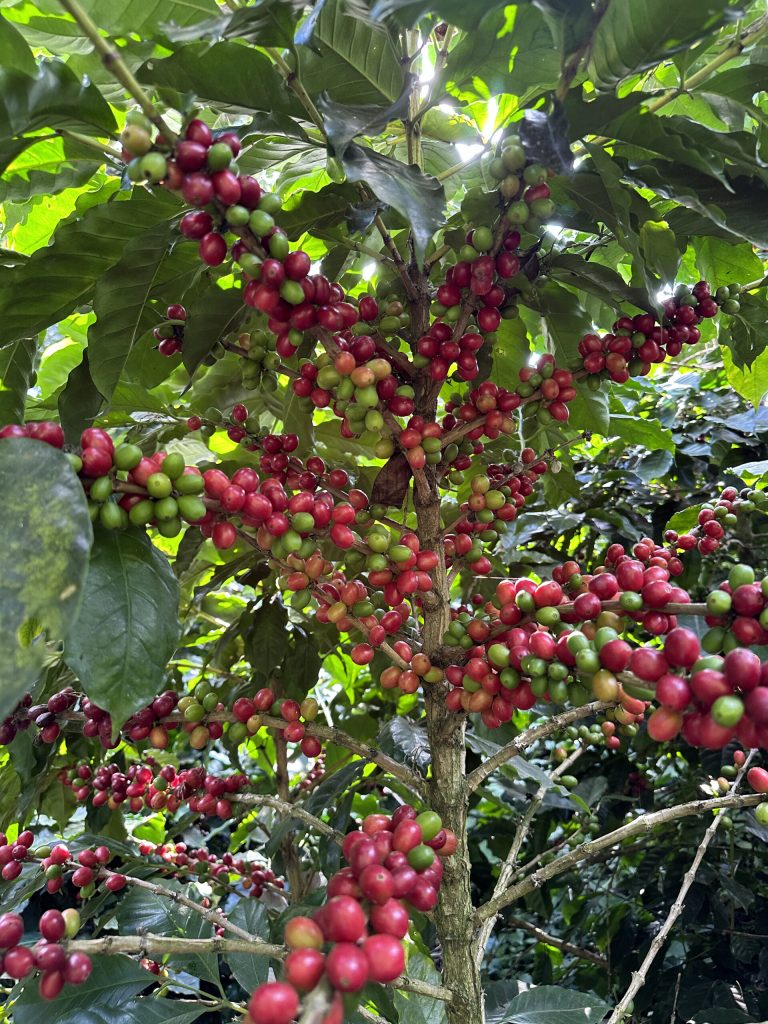
Kenya’s coffee industry, long regarded as one of the country’s most valuable agricultural sectors, is on the brink of a major transformation following the enactment of the Coffee Act.
This landmark legislation introduces structural, regulatory, and economic reforms designed to revive the sector, increase farmer earnings, and restore Kenya’s global competitiveness.
1. A New Regulatory Era
One of the most notable changes is the creation of the Coffee Board of Kenya, which will now oversee regulation, promotion, and coordination of the industry.
This shift centralizes oversight and is expected to streamline operations that were previously fragmented under different institutions.
2. Empowering Farmers Through Market Access
For decades, Kenyan coffee farmers have largely depended on the Nairobi Coffee Exchange for selling their produce.
The new law introduces greater flexibility by allowing farmers to sell a portion of their coffee directly to buyers—especially when auction prices are unfavorable.
This reform is expected to enhance competition and improve price discovery.
3. Eliminating Cartels and Middlemen
The reforms target long-standing inefficiencies caused by middlemen and cartels who have historically dominated the coffee value chain.
By simplifying licensing and strengthening governance, the government aims to ensure that farmers receive a fair share of the value of their produce.
4. Improved Payment Systems
Delayed payments have been one of the biggest challenges in the coffee sector. The new framework introduces mechanisms such as direct settlement systems, ensuring that farmers are paid promptly after their coffee is sold.
5. Investment in Research, Quality, and Marketing
The Coffee Act also emphasizes quality improvement and global competitiveness by supporting research institutions and marketing initiatives. This is critical in maintaining Kenya’s reputation for producing premium Arabica coffee.
6. A Vision for Growth
The reforms align with Kenya’s broader ambition to significantly increase coffee production in the coming years while improving farmer incomes and livelihoods.
Conclusion
The Coffee Act, 2026 represents a turning point for Kenya’s coffee industry.If effectively implemented, it has the potential to transform the sector into a more transparent, efficient, and farmer-centered ecosystem.For millions of Kenyan farmers, this is not just policy reform—it is a renewed promise of prosperity and dignity.